The Art of Film Photography: Techniques for Creative Shooting
Explore creative film photography techniques from double exposures to light painting, plus project ideas to push your analog shooting further.
There's a reason film photography has never really gone away. Long after digital made "perfect" pictures effortless, photographers keep loading rolls, because film rewards experimentation in ways a sensor never will. Grain, light leaks, color shifts, happy accidents in the darkroom, these aren't flaws to correct, they're part of the language.
If you've been shooting the same way for a while, or you're new to film and want to move past "point and shoot," this is your invitation to get weird with it. Below are techniques worth trying and project ideas built to stretch them.
Techniques for Creative Shooting on Film
Double and Multiple Exposures
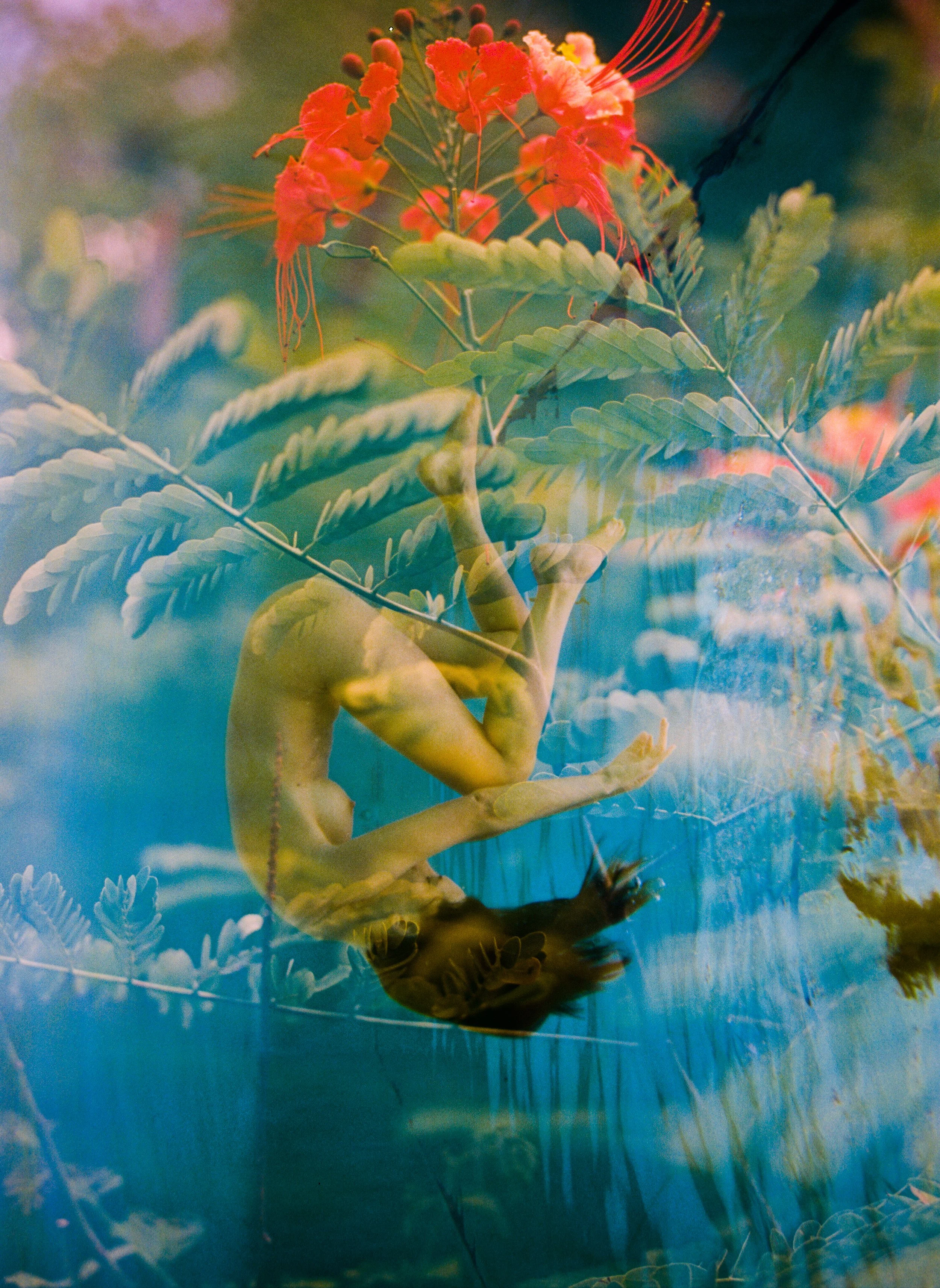
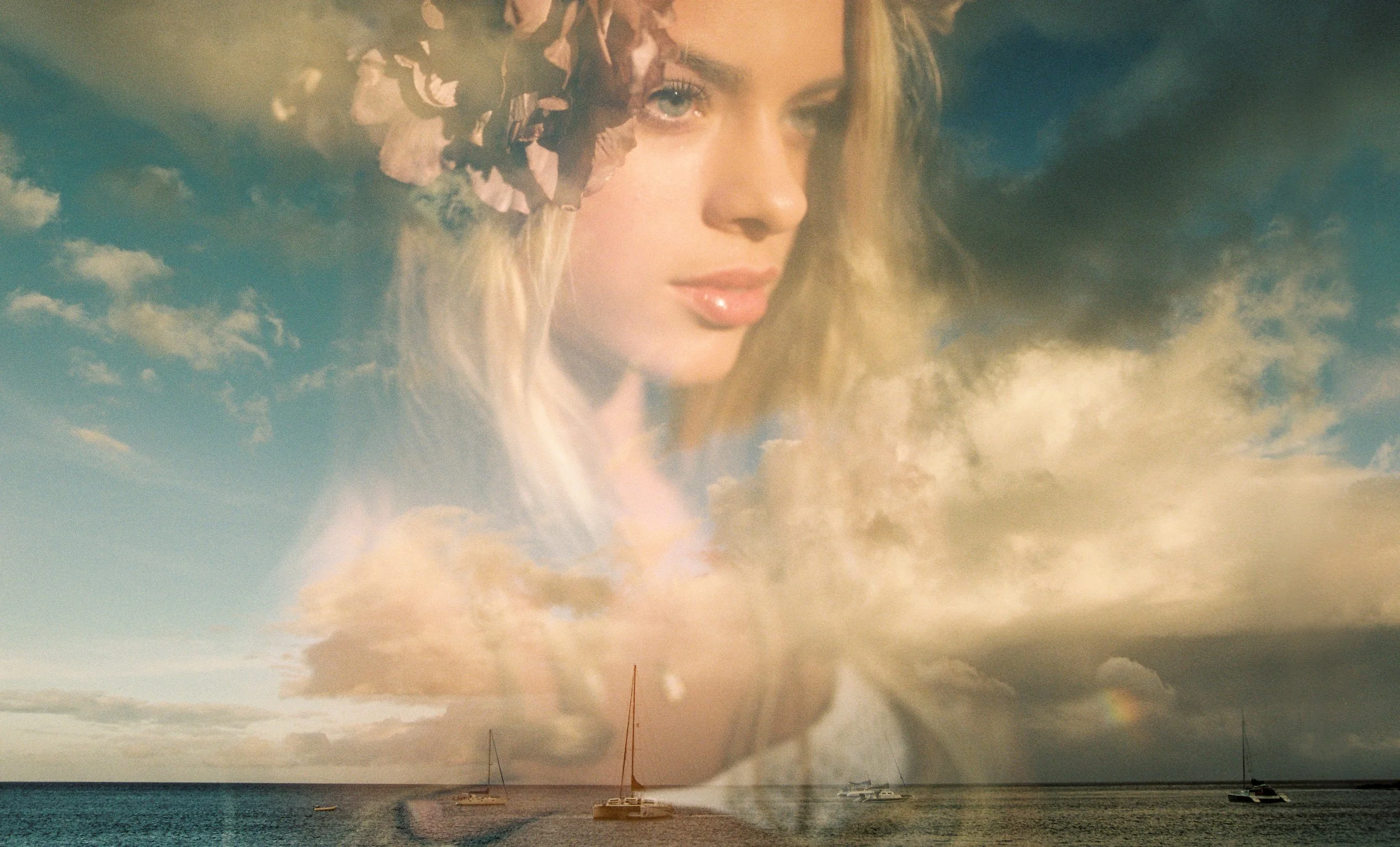
Shooting two (or ten) frames on top of each other is one of the most iconic film techniques, and it's easier than it looks. Many manual film cameras let you re-cock the shutter without advancing the film; others need a small workaround, like holding the rewind button while advancing. Start simple: a portrait layered with a texture like tree branches or window light. The unpredictability is the appeal. You're composing twice, but the final image only reveals itself once the roll is developed.
Long Exposures and Light Painting
Film handles long exposures beautifully, especially at night. Lock your camera on a tripod, set a slow shutter speed (or use bulb mode), and let moving light like car headlights, string lights or a flashlight in your own hand draw across the frame while everything static stays sharp. This is also where reciprocity failure becomes relevant: film loses sensitivity during very long exposures, so you'll often need to give it more time than your light meter suggests. It's a great excuse to slow down and treat each shot like an experiment.
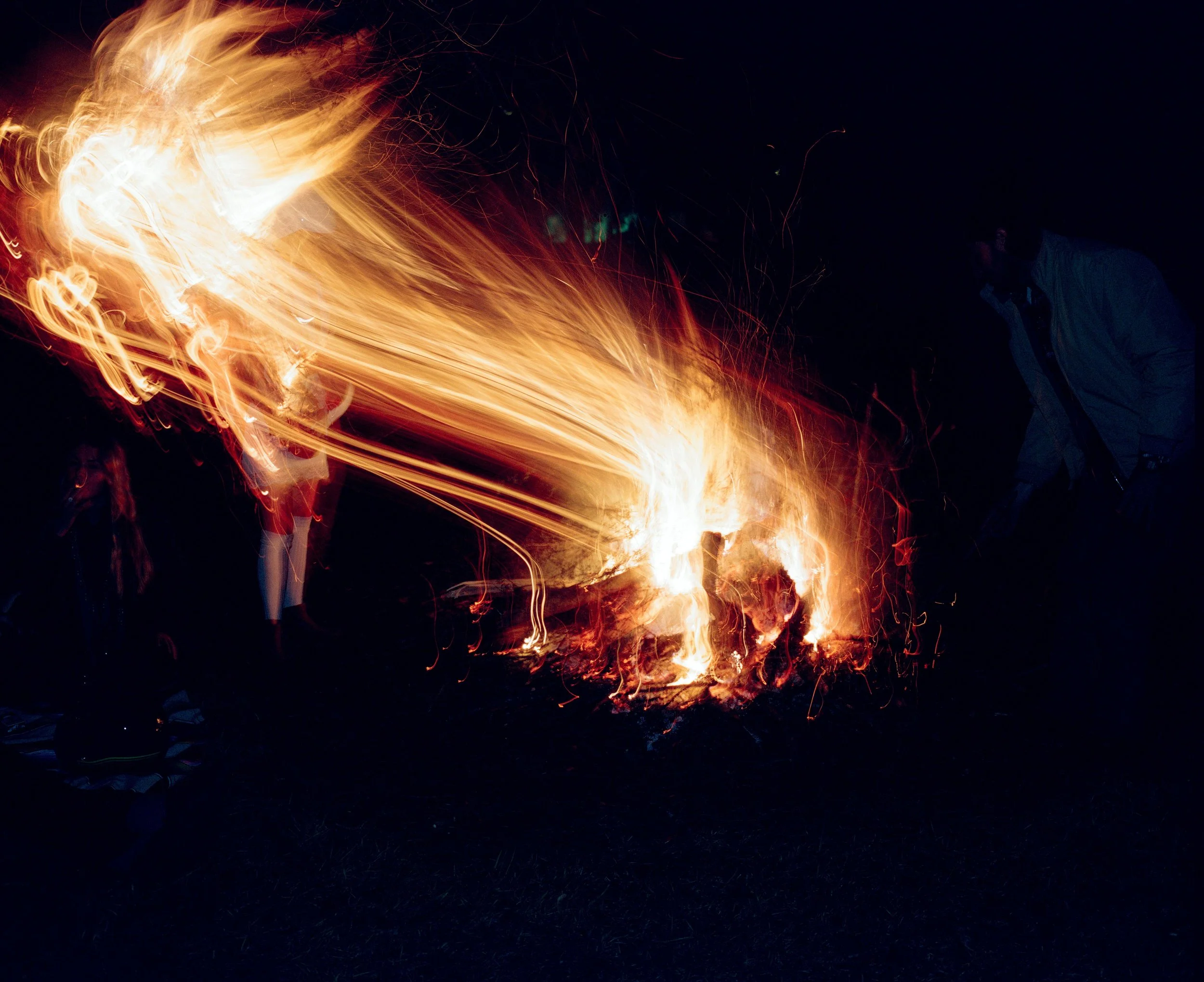
Photo by our very own Joshua Moates
Cross-Processing and Expired Film
Cross-processing means developing film in the wrong chemistry on purpose (slide film run through C-41, for example), which produces shifted colors and boosted contrast that no digital filter quite replicates. Shooting expired film is the gentler cousin of this experiment: color shifts, added grain, and fogging increase the older and less carefully stored the film is, and every roll behaves a little differently. Both techniques trade control for character, which is exactly the point.
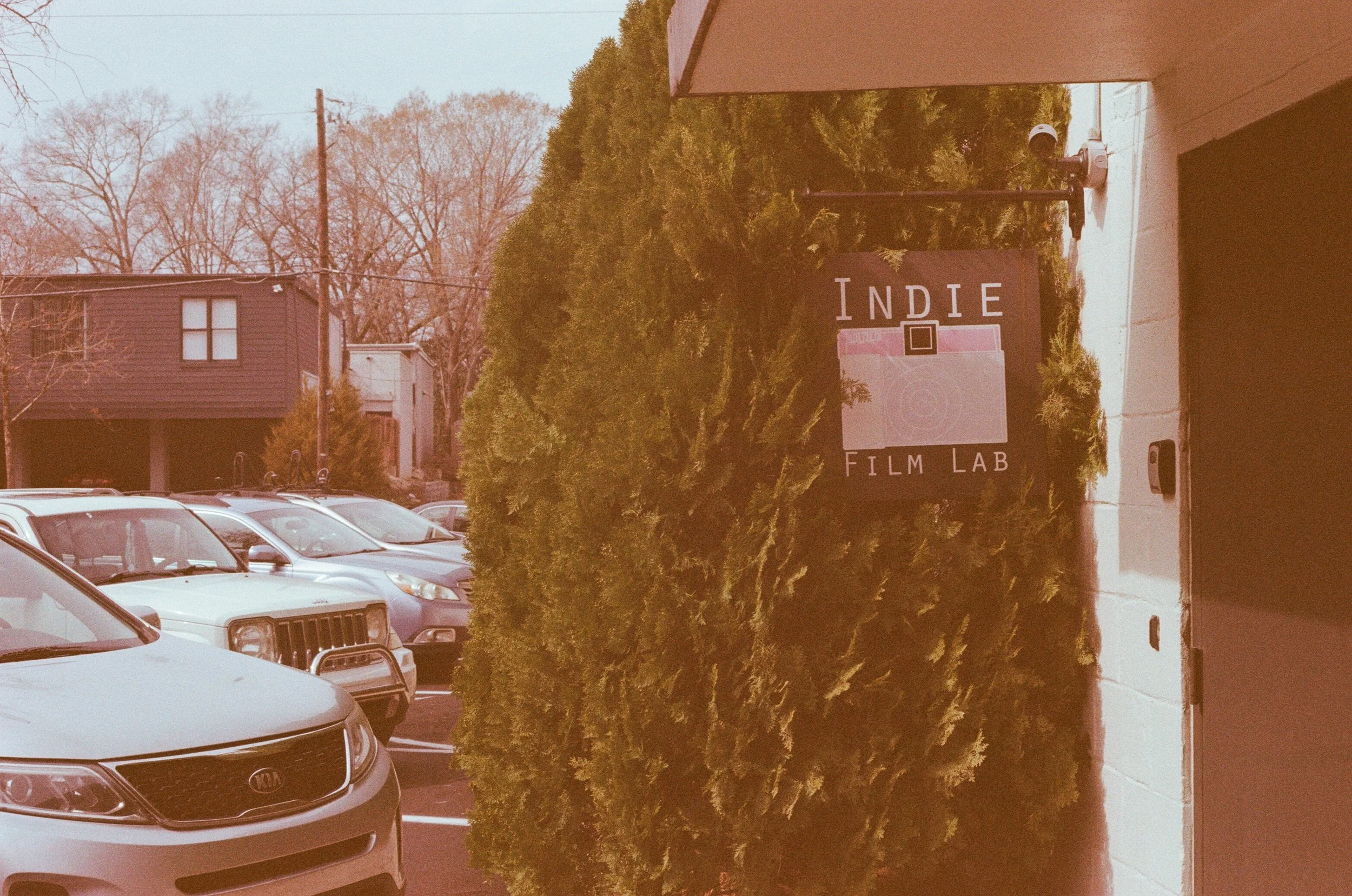
Expired Film test outside of Indie Film Lab
Pushing and Pulling Film
Pushing film means shooting it at a higher ISO than it's rated for and then extending development time to compensate, which is how photographers get usable images in low light while picking up extra contrast and grain along the way. Pulling does the reverse. Shooting at a lower ISO and cutting development time for a softer, lower-contrast look. It's a simple way to change the mood of an entire roll before you even shoot the first frame.
Playing with Light Leaks and In-Camera Effects
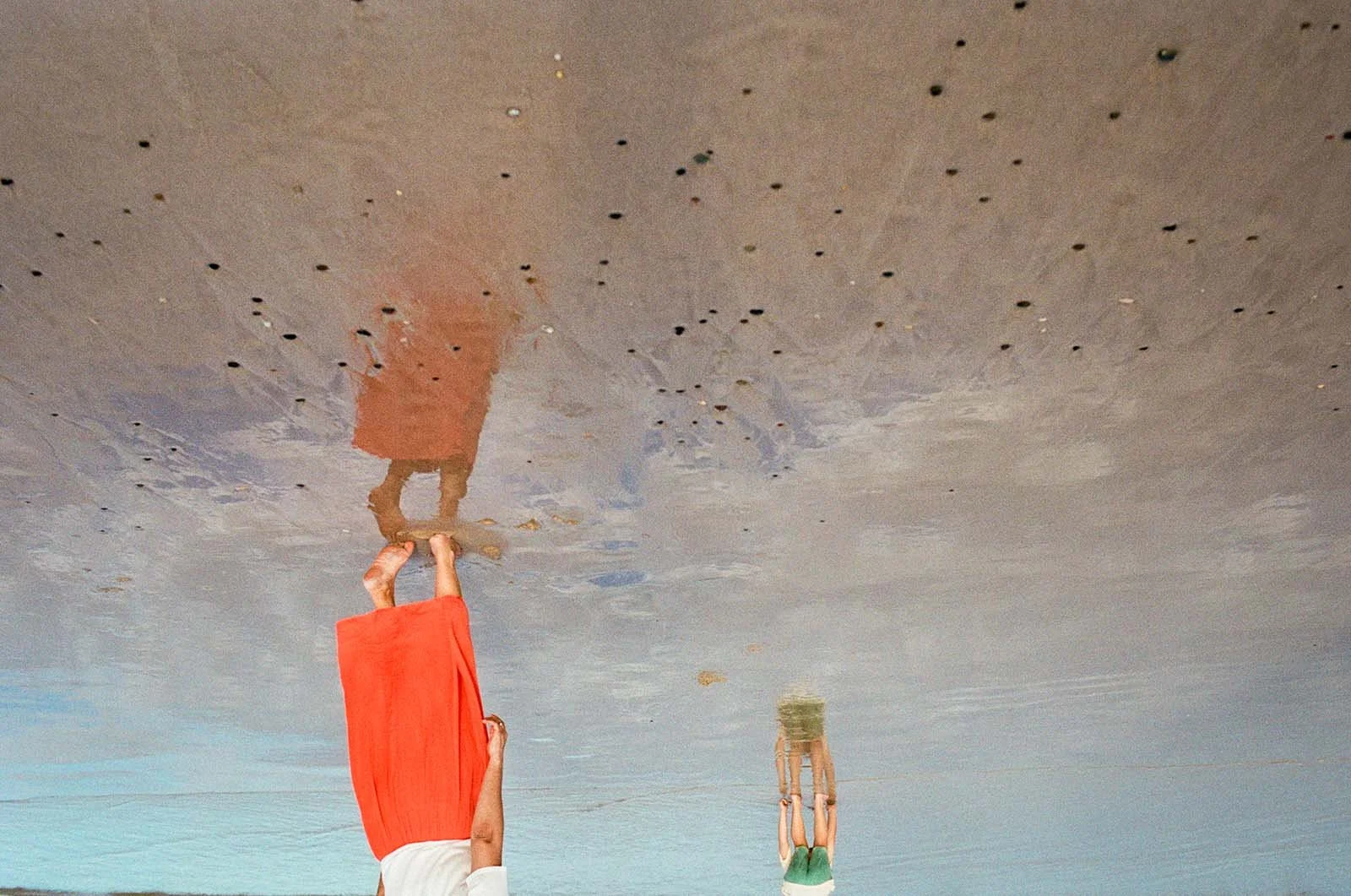
Not every creative technique needs precision. A cracked light seal, a half-open camera back, or shooting through a prism, glass, or fabric in front of the lens can all introduce flares and distortions that feel intentional once you lean into them. Some photographers seek out cameras known for their leaks; others create the effect on purpose with a pinhole in black tape over part of the lens.
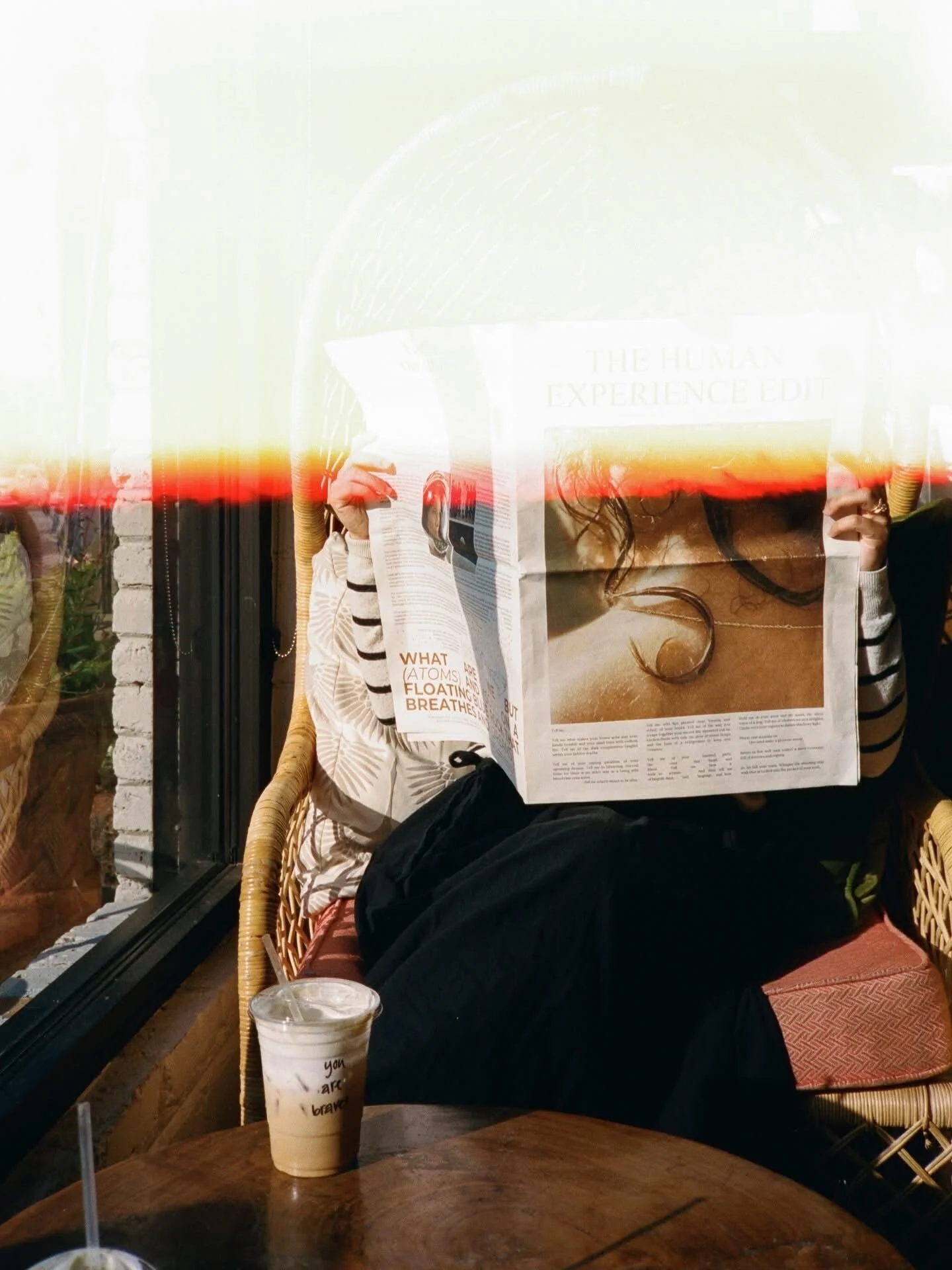
First of the roll by Jinny K Photo
Creative Project Ideas for Film Photographers
Techniques are more fun with a purpose behind them. A few project frameworks worth trying:
One roll, one story. Pick a single 24 or 36-exposure roll and commit it to telling one narrative. A day in a friend's life, a neighborhood before it changes, a relationship. The constraint forces intention into every frame.
A self-portrait series. Turn the camera on yourself over weeks or months, using a tripod and timer or a mirror. It's a technique-agnostic project that pairs well with double exposures or long exposures for something more abstract.
Document a process, start to finish. Building something, a season change, a garden growing or anything with a beginning and end makes for a natural photo essay when shot consistently on the same film stock.
A collaborative zine. Pool rolls with a few other shooters around one theme, then lay the results out together. Film's slower pace makes for a nice antidote to how fast most collaborative projects move online.
Expired-film roulette. Shoot an entire roll of mystery expired film with no expectations, just to see what comes back. It's a low-stakes way to practice letting go of control.
Where to Take It From Here
The best film techniques aren't really tricks, they're just permission to treat the camera as a creative tool instead of a recording device. Some of your experiments will fail. Some will become the shots you're proudest of. That trade-off is the whole appeal of shooting film.
Once you've shot your roll we'd love to help you see how it turned out. We develop and scan all the techniques above (yes, even the light leaks and cross-processed rolls) with the same care we'd want for our own work. Send us your next roll and let's see what you made!