
How to Shoot Expired Film (and Actually Get Good Results)
How to Shoot Expired Film
Expired film has a reputation: unpredictable, risky, maybe a waste of a shoot. And sure, it can be but with a little knowledge about what's happening inside that old canister, expired film goes from a gamble to one of the most fun, characterful ways to shoot analog. Dreamy color shifts, punchy grain, faded pastels, happy accidents you couldn't recreate if you tried.
Here's everything you need to know before you load a roll.
What actually happens when film expires?
Film is a chemical product, and chemistry doesn't stop just because the box says it should. From the moment film is manufactured, three things slowly happen:
It loses sensitivity. The silver halide crystals that capture light gradually degrade, so the film becomes effectively "slower" than the ISO printed on the box. A roll labeled ISO 400 that's been sitting around for 20 years might behave more like ISO 100.
The base fog rises. Background radiation and ambient heat cause some crystals to develop even without being exposed to light. This shows up as reduced contrast and muddier shadows. The image floats on a slightly "foggy" base.
Color layers drift apart. Color film has three emulsion layers (roughly red, green, and blue sensitive), and they don't age at the same rate. When one layer degrades faster than the others, you get color shifts, often toward magenta, green, or yellow depending on the film stock and how it was stored.
None of this ruins the film. It just changes it. Your job as the photographer is to compensate for the sensitivity loss and embrace the rest.
The golden rule: overexpose one stop per decade
This is the classic rule of thumb, and it works remarkably well:
Add one stop of exposure for every ten years past the expiration date.
So if you're shooting a roll of ISO 400 film that expired in 2006 (twenty years ago") you'd shoot it as if it were ISO 100 (two stops slower). You can do this a few ways:
Change your ISO setting. If your camera has a manual ISO dial, just set it to the compensated speed (ISO 100 in the example above) and meter normally.
Use exposure compensation. Set +1 or +2 on your camera's exposure compensation dial.
Meter manually. If you're shooting fully manual, meter for the compensated ISO.
Why overexpose? Because expired film has lost sensitivity, and underexposed expired film is where things go truly wrong. Thin negatives, crushed murky shadows, and colors that look sickly rather than dreamy. Overexposure, on the other hand, is very forgiving on negative film. When in doubt, give it more light.
Storage history matters more than the date
Two rolls with the same expiration date can behave completely differently depending on how they were stored. Heat is the enemy, it dramatically accelerates every aging process described above.
Frozen or refrigerated film ages very slowly. Cold-stored film that expired 15 years ago might shoot almost like fresh film. You can often get away with just one extra stop, or even box speed.
Room temperature (closet, drawer) film ages at the "normal" rate. The one-stop-per-decade rule was made for this film.
Hot storage (attic, garage, car) film ages fast and unpredictably. Consider adding an extra stop beyond the rule, and lower your expectations or raise them, depending on how much chaos you enjoy.
If you don't know the storage history (thrift store find, estate sale, mystery roll), assume room temperature and follow the standard rule.
Not all film ages the same
Color negative film (C-41) is the best candidate for expired shooting. It has huge exposure latitude, meaning it tolerates overexposure beautifully. This is where you get those lovely faded tones and gentle color shifts. If you're new to expired film, start here.
Black and white film is the toughest survivor of all. With no color layers to drift, B&W mostly just loses a little speed and gains a little fog and grain. Decades-expired B&W film often looks fantastic with just modest overexposure.
Slide film (E-6) is the diva. It has very little exposure latitude even when fresh, so aging hits it hard, expect strong, sometimes extreme color casts and tricky exposure. Some people love this (heavily expired slide film cross-processed in C-41 is its own aesthetic). Just know what you're signing up for.
High-ISO films (800+) age faster than slow films. The more sensitive the emulsion, the more vulnerable it is to fog. An expired ISO 100 film is usually in much better shape than an expired ISO 800 film of the same vintage.
Shooting tips for the day of
Shoot in good light. Expired film's reduced contrast and sensitivity mean it thrives in bright, even lighting. Overcast days and golden hour are great; dim interiors are asking a lot.
Bracket if you can. On an important shot, take one frame at your compensated exposure and another one stop brighter.
Embrace subjects that suit the look. Expired film flatters nostalgic subject matter, portraits, old cars, diners, beaches, anything that already feels a little out of time. The color shifts become part of the story instead of fighting it.
Don't pixel-peep your expectations. You're not shooting expired film for clinical sharpness and accurate color. You're shooting it for character. Let the film do its thing.
At the lab
A few things to know when you send us your rolls:
Tell your lab the film is expired. It doesn't usually change the chemistry (C-41 is C-41), but it helps at the scanning stage. A good scanner operator will know whether to correct the color shifts or preserve them.
Tell them how you'd like it scanned. Want the full funky color-shifted look? Say so. Want them to neutralize it as much as possible? They can usually pull the image closer to normal.
Don't ask for a push to "fix" expired film. Push processing increases contrast and grain and amplifies base fog, it usually makes expired film look worse, not better. Compensate with exposure at the time of shooting instead.
Quick reference cheat sheet
Film age Storage unknown / room temp Cold stored ~10 years expired +1 stop box speed to +1 ~20 years expired +2 stops +1 stop ~30 years expired +3 stops (results vary!) +1 to +2 stops
For slide film, be more conservative with your expectations; for B&W, you can often get away with less compensation.
The bottom line
Expired film isn't broken film it's film with a history. Compensate for the lost sensitivity by overexposing, shoot in good light, and let the quirks become the point. Some of the most beautiful, unrepeatable images come out of a roll that "should have" been thrown away years ago.
Now go shoot something.
EXamples at 100 iso

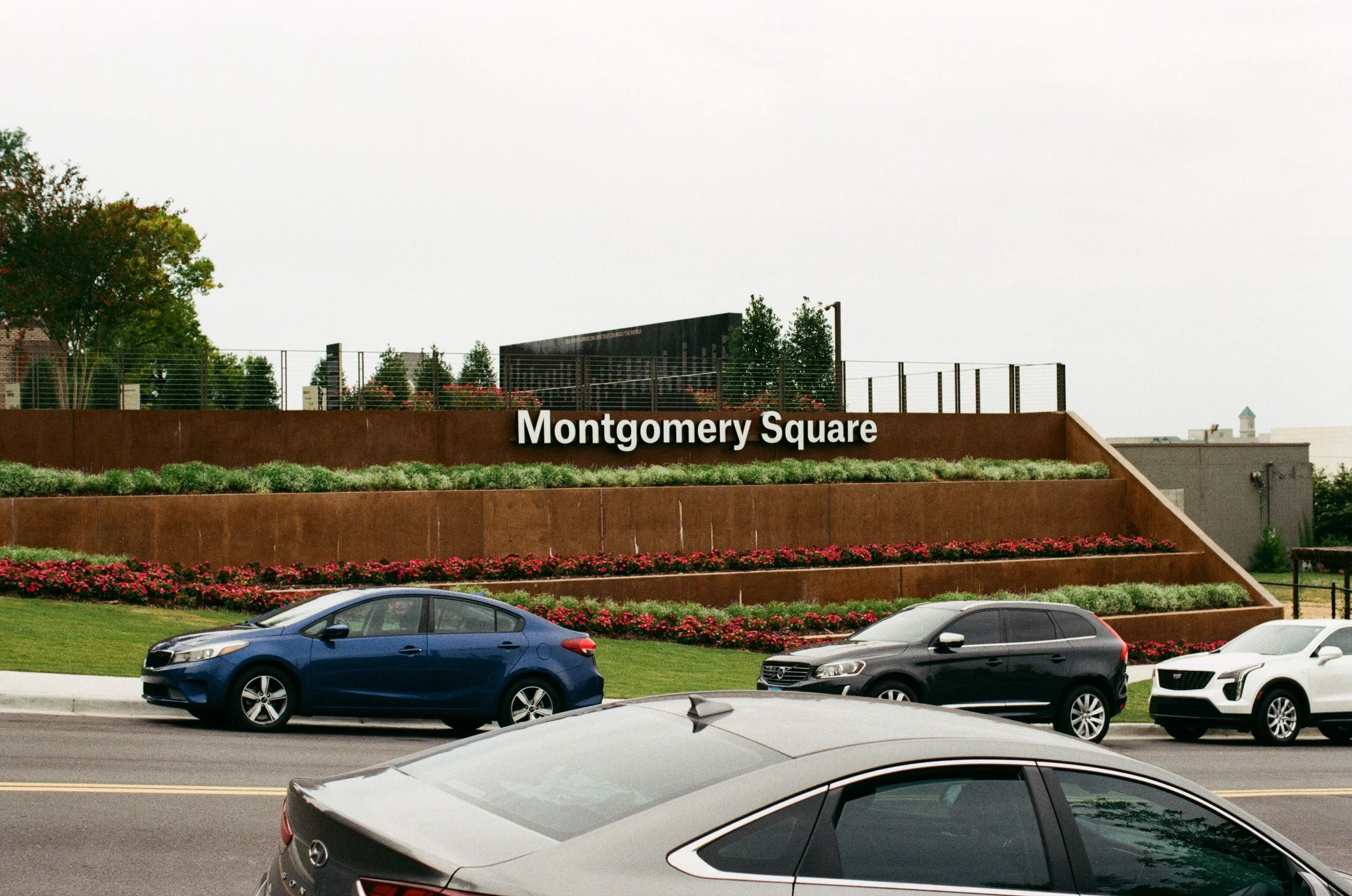

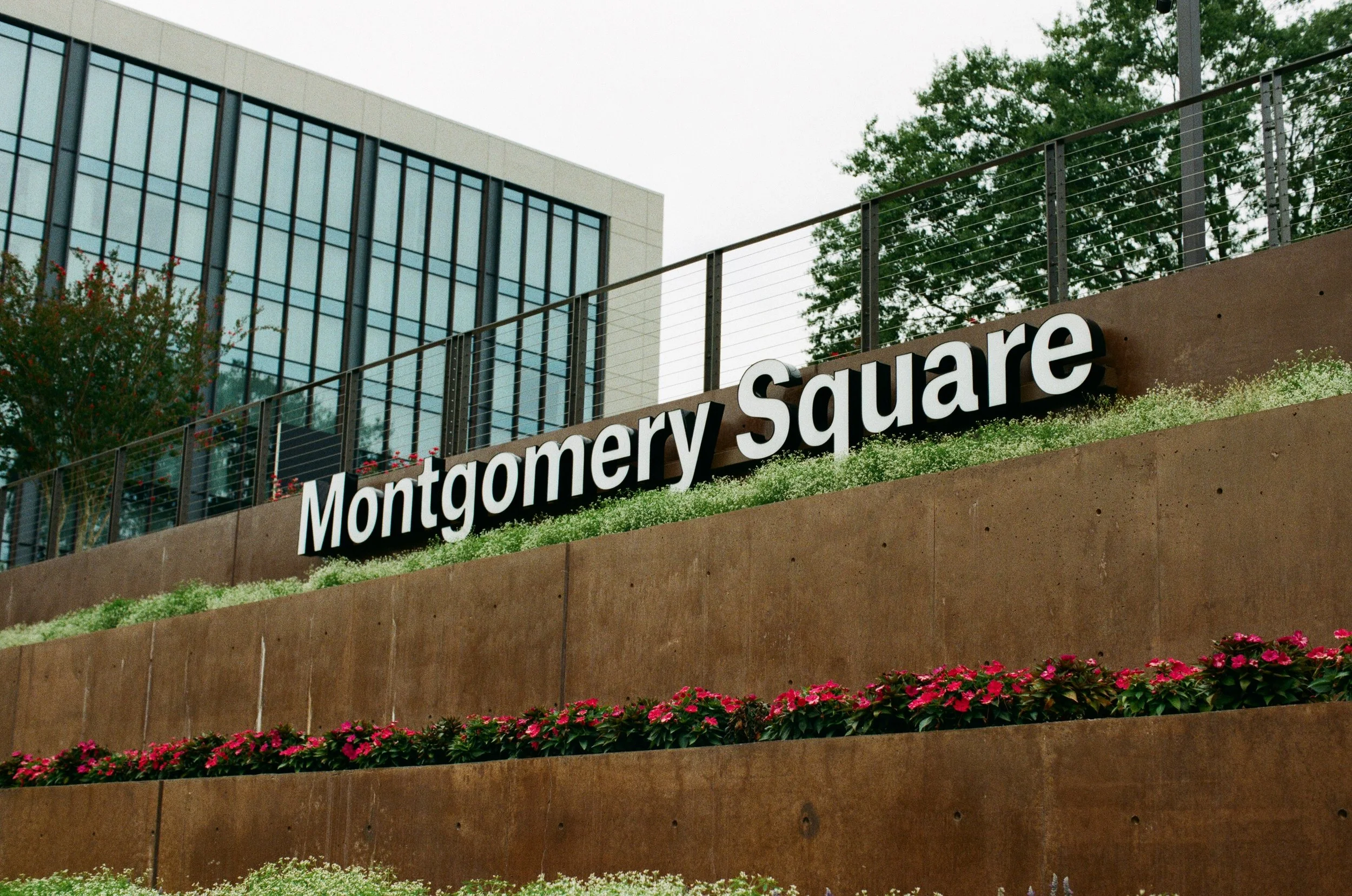
examples at 200 iso

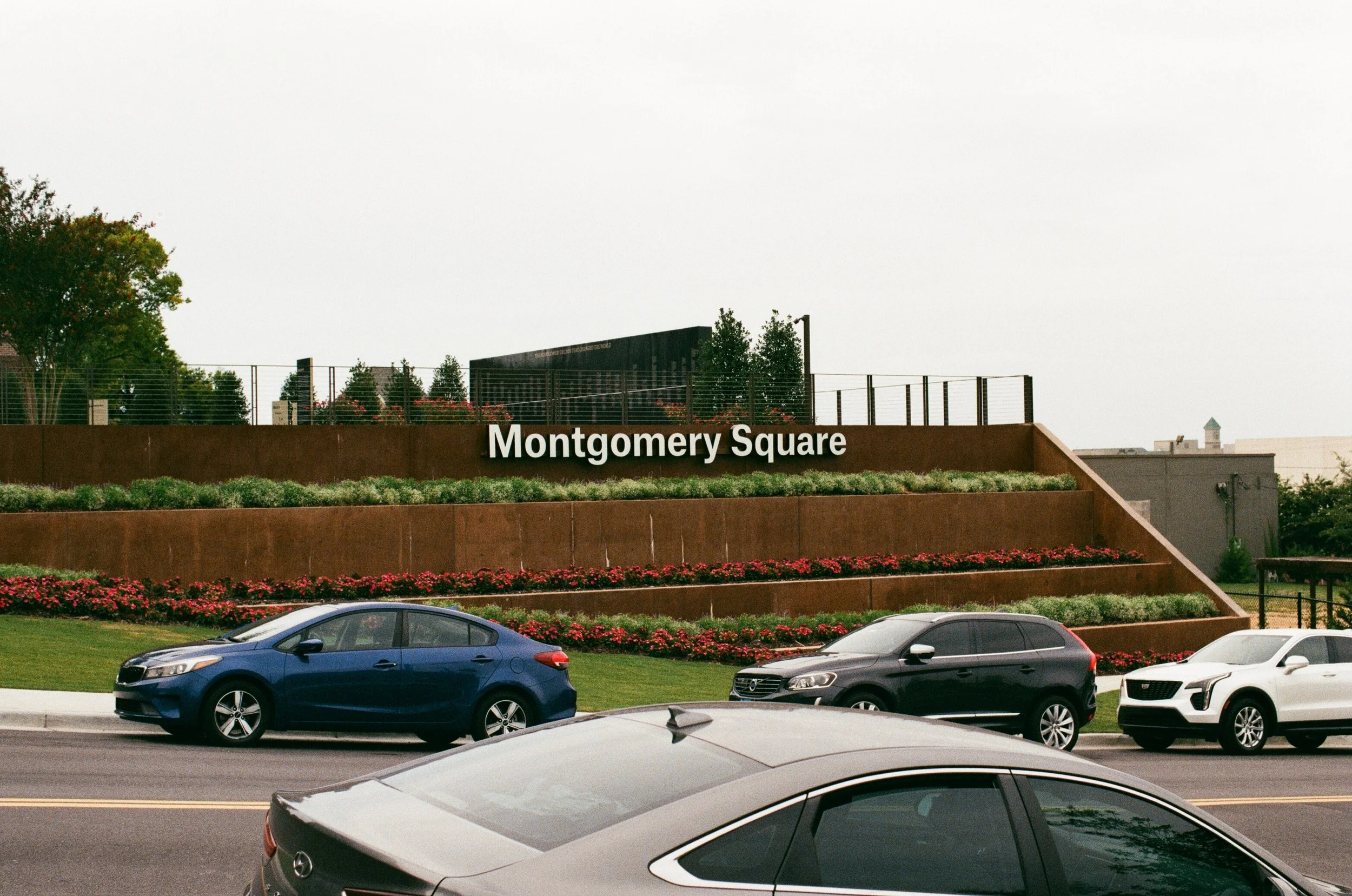


Got expired film sitting in a drawer? Send it in, we'd love to develop it. And keep an eye on our socials for our upcoming free expired film drop. 📸